10 AI Marketing Tools for 2026: Automate Content, SEO, Social Media, Email, and Reporting

The race to find the best free marketing tools — and the paid ones worth every dollar — has never been more competitive. AI has moved from novelty to necessity across every digital marketing workflow: content creation, keyword research, social scheduling, email personalization, and campaign reporting. But not every tool lives up to its hype, and choosing the wrong one costs you time, budget, and momentum. This guide cuts through the noise with ten AI-powered tools reviewed by actual workflow stage, including honest trade-offs, realistic pricing notes, and the mistakes marketers most often make when adopting them.

How to Use This List (Before You Download Anything)
Each tool below is mapped to a specific workflow — not just a vague category. Before you adopt any AI tool, ask three questions: What manual task does this replace? How does it integrate with what I already use? And — critically — what does the output still require from a human? AI tools that produce zero-edit output are rare. Most reduce effort by 60–80%, not 100%. Plan your workflow around that reality, and you will avoid the most common implementation mistake: expecting full automation and getting frustrated when editing is still required.
Also note: "free" tiers exist on most platforms, but they usually cap output volume, remove advanced features, or watermark exports. The pricing notes below reflect 2025–2026 published rates and are subject to change — always verify on the vendor's site before committing.
-
1. ChatGPT (OpenAI) — Content Creation & Ideation
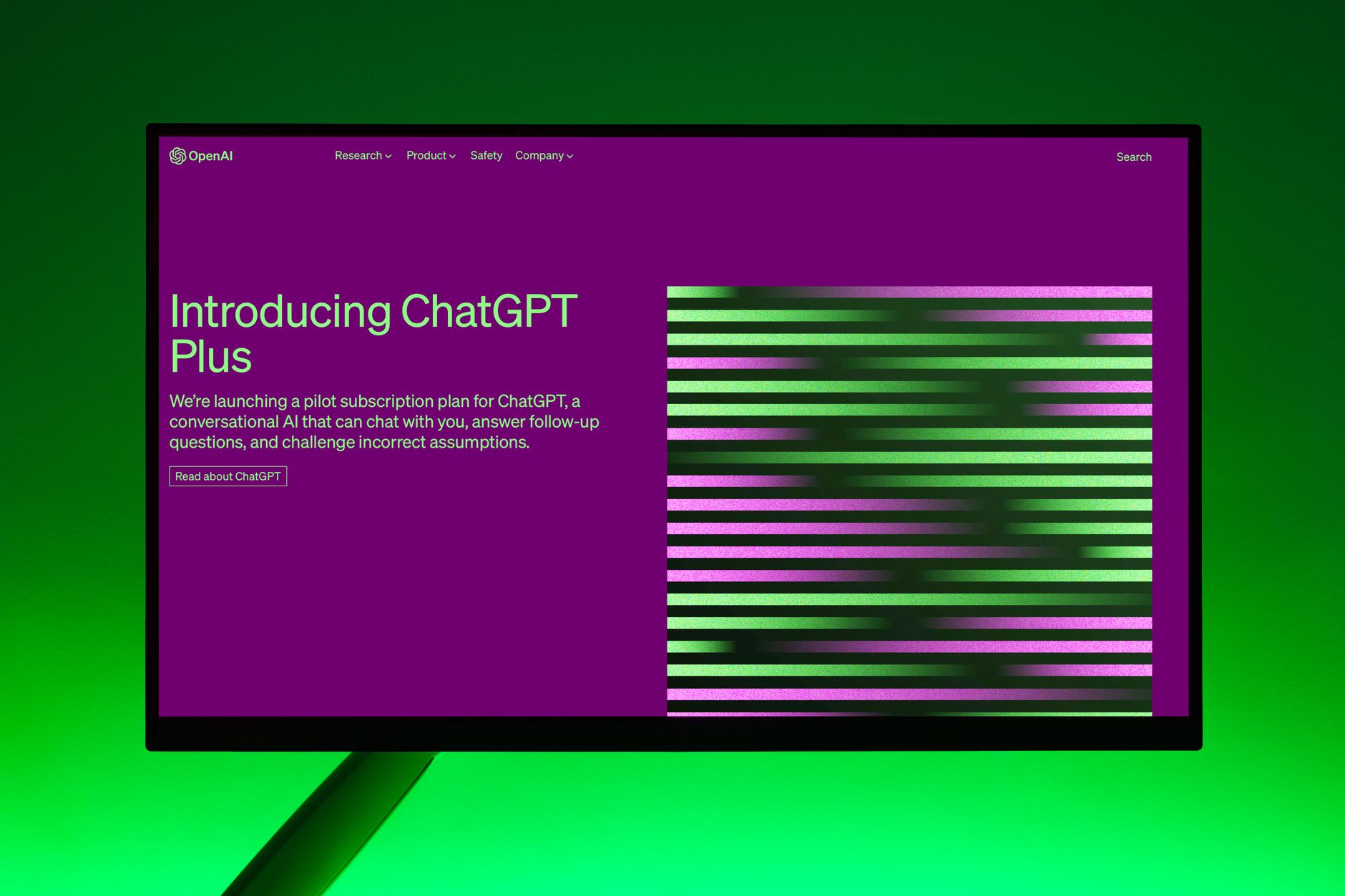
Best for: Blog drafts, ad copy, email subject lines, and content briefs. ChatGPT's GPT-4o model can produce a 1,000-word draft in under 60 seconds. The real value is in iteration: feed it your brand voice guidelines, a competitor URL, and a target keyword, and the output improves dramatically versus a generic prompt.
Honest trade-off: ChatGPT hallucinates statistics and sometimes invents sources. Every factual claim needs verification before publishing. It also has no real-time web access on the free tier, so its knowledge has a training cutoff. For content that depends on current data — think trend reports or pricing comparisons — you need to supply the facts yourself.
- Free tier: GPT-3.5 access, limited GPT-4o messages per day
- Paid tier: ChatGPT Plus at $20/month unlocks full GPT-4o, image generation, and custom GPTs
- Integration tip: Use custom GPT instructions to bake in your brand tone, target audience, and forbidden phrases — this alone cuts editing time by roughly 40%
Common mistake: using ChatGPT as a final-draft machine rather than a first-draft accelerator. Treat it like a fast junior writer who needs a senior editor's pass.
-
2. Surfer SEO — AI-Powered Content Optimization
Best for: On-page SEO optimization and content scoring. Surfer analyzes the top 20 ranking pages for your target keyword and generates a real-time content score based on word count, NLP terms, headings structure, and entity coverage. Write inside their editor and your score updates live as you type.
Honest trade-off: Surfer can push writers toward keyword stuffing if you chase a high score mechanically. A score of 68 with natural prose beats a score of 90 with awkward, over-optimized sentences. Also, its AI-generated article feature (Surfer AI) produces workable drafts but often lacks the specific examples and first-hand insight that Google's helpful content guidelines reward.
- Free tier: No free tier; 7-day trial available
- Paid tier: Essential plan starts at $89/month; includes 30 articles and 5 AI articles
- Integration tip: Pair with Google Search Console data to prioritize which existing pages to optimize first — pages ranking on page 2 (positions 11–20) see the fastest ROI from Surfer edits
-
3. SeoJama — Free SEO Audit Tool for Fast Site Checks

Best for: Quick, actionable SEO audits without a monthly subscription. SeoJama, built by Terra Market Group, runs a comprehensive site audit and surfaces technical issues — broken links, missing meta tags, slow page speed, duplicate content flags — in a clean, prioritized report. It is one of the genuinely useful free marketing tools available right now, with no credit card required.
Honest trade-off: SeoJama is built for speed and accessibility, not enterprise-scale crawling of 50,000-page sites. For small-to-mid-size websites — the sweet spot for most growing brands — it delivers exactly what you need: a clear list of what to fix and why it matters for rankings.
- Free tier: Full audit access at no cost
- Best use case: Run an audit before any new content push to ensure technical issues are not suppressing your rankings before you invest in new pages
- Pro tip: Re-audit after implementing fixes to confirm Google can now crawl and index the corrected pages
If you are serious about growing organic traffic, a regular SEO audit is non-negotiable. Discover what is holding your site back — get your free audit with SeoJama today.
-
4. Semrush — Keyword Research & Competitive Intelligence

Best for: Keyword research, gap analysis, and tracking competitor rankings. Semrush's Keyword Magic Tool surfaces thousands of related terms, filters by intent (informational, commercial, transactional), and shows keyword difficulty scores so you can find winnable targets. Its AI-powered writing assistant also integrates directly with the content editor.
Honest trade-off: Semrush is expensive — the Pro plan runs $139.95/month, which is hard to justify for solopreneurs or very small teams. The free tier limits you to 10 searches per day, which is enough for a quick competitive check but not for a full research sprint. For teams already paying for Surfer, there is meaningful feature overlap in the content optimization space.
- Free tier: 10 keyword searches/day, limited historical data
- Paid tier: Pro at $139.95/month; Guru at $249.95/month adds content marketing toolkit
- Integration tip: Export your top 20 competitor keywords and filter for those where your domain has zero ranking — these are your fastest content opportunities
-
5. Postigniter — AI Social Scheduling & YouTube Growth

Best for: Automating social media posting and accelerating YouTube channel growth. Postigniter, another tool in the Terra Market Group suite, uses AI to recommend optimal posting times, suggest content formats by platform, and manage multi-channel queues. It is designed specifically for brands that want to grow across Instagram, Facebook, LinkedIn, and YouTube without hiring a full social team.
Honest trade-off: Automation handles the when and where of posting, but not the what. Brands that feed generic, low-effort content into a scheduling tool still get low-effort results — just delivered consistently. The tool amplifies your content strategy; it does not replace one. Pair it with a solid content calendar and you will see real compounding growth.
- Free tier: Available — check current plan details at terramarketgroup.com/tools
- Best use case: Small business owners managing their own social presence who need to post consistently without spending two hours a day on scheduling
- Pro tip: Use the YouTube growth features to optimize video titles, descriptions, and tags before publishing — these on-platform SEO signals matter more than most creators realize
-
6. Jasper AI — Long-Form Content & Brand Voice Scaling

Best for: Teams that need to produce high volumes of on-brand content — landing pages, product descriptions, email sequences, and ad variations — at scale. Jasper's Brand Voice feature ingests your existing content and trains the model to match your tone, vocabulary, and style. This is where it genuinely beats a generic ChatGPT prompt.
Honest trade-off: Jasper costs significantly more than ChatGPT Plus. The Creator plan starts at $49/month, and the Teams plan — which unlocks Brand Voice and collaboration features — runs $125/month for three seats. For solo marketers, that is hard to justify. For content teams producing 20+ pieces per month, the time savings can offset the cost within the first billing cycle.
- Free tier: 7-day free trial only
- Paid tier: Creator at $49/month; Teams at $125/month (3 seats)
- Common mistake: Skipping the Brand Voice setup and using Jasper as a generic writer — you lose its primary competitive advantage
-
7. Klaviyo — AI-Powered Email & SMS Personalization
Best for: E-commerce brands and DTC companies that need sophisticated email and SMS automation with behavioral triggers. Klaviyo's AI features include predictive analytics (it estimates each contact's next purchase date and lifetime value), subject line optimization, and send-time personalization at the individual subscriber level — not just segment level.
Honest trade-off: Klaviyo's pricing scales with list size and can get expensive fast. At 10,000 contacts, you are paying around $150/month for email alone. It is also overkill for service businesses or B2B companies with small lists and simple nurture sequences. For those use cases, simpler tools like Mailchimp or ConvertKit deliver 80% of the value at a fraction of the cost.
- Free tier: Up to 250 contacts and 500 emails/month
- Paid tier: Scales by contact count; 1,000 contacts starts at ~$45/month
- Pro tip: Set up the abandoned cart flow on day one — according to Klaviyo's own benchmarks, this single automation recovers an average of 3–14% of abandoned revenue
-
8. Canva Magic Studio — AI Design for Non-Designers

Best for: Creating social graphics, presentation decks, ad creatives, and video thumbnails without a dedicated designer. Canva's Magic Studio suite includes Magic Write (AI text), Magic Design (template generation from a prompt), Magic Eraser (background removal), and Magic Animate (motion graphics). The free tier is genuinely useful — not crippled.
Honest trade-off: Canva templates are widely used, which means your visuals can look like everyone else's if you do not customize them meaningfully. Brand differentiation requires intentional color, typography, and layout choices — the AI does not make those decisions for you. Also, for print-quality work or complex illustration, Canva hits a ceiling fast.
- Free tier: Generous — includes thousands of templates, Magic Write (limited uses), and basic AI features
- Paid tier: Canva Pro at $15/month per user; Teams at $10/user/month (minimum 5 users)
- Integration tip: Use the Terra Market Group Social Image Resizer alongside Canva to instantly reformat graphics for every platform without re-exporting manually
-
9. Google Looker Studio (with Gemini AI) — Automated Reporting
Best for: Building automated, shareable marketing dashboards that pull data from Google Analytics 4, Google Ads, Search Console, and dozens of third-party connectors. Looker Studio is free. Gemini AI integration (now in beta for Looker) lets you query your data in plain English: type "show me which campaigns drove the most conversions last month" and get a chart — no SQL required.
Honest trade-off: The learning curve for building complex dashboards is real. Connecting non-Google data sources (Meta Ads, HubSpot, LinkedIn) often requires paid third-party connectors like Supermetrics, which starts at $29/month per connector. Budget for that if your stack spans multiple platforms. Also, Gemini's natural language querying is still maturing — complex, multi-condition queries sometimes return incorrect visualizations.
- Free tier: Looker Studio is fully free; Gemini AI features are in rolling rollout
- Paid add-ons: Supermetrics connectors from $29/month; Looker Studio Pro at $9/user/month for enterprise features
- Pro tip: Build one master dashboard with KPIs for every active channel, then create filtered views per channel for client or stakeholder reporting — this saves hours of manual slide-deck building each month
-
10. Albert.ai — Autonomous Paid Campaign Optimization
Best for: Mid-to-large brands running paid campaigns across Google, Meta, and programmatic channels who want AI to manage bid adjustments, audience segmentation, and creative rotation autonomously. Albert.ai continuously tests thousands of micro-segments and reallocates budget in real time based on performance signals — tasks that would take a human media buyer days to execute manually.
Honest trade-off: Albert.ai is not a small-business tool. It requires a meaningful ad spend (typically $10,000+/month) to generate enough data for its optimization engine to work effectively. Pricing is enterprise and quote-based. For smaller budgets, Google's own Performance Max campaigns and Meta's Advantage+ products deliver AI-driven optimization without the platform cost.
- Free tier: None — enterprise pricing only
- Best use case: Brands spending $50,000+/month on paid media across multiple channels who are hitting manual optimization ceilings
- Common mistake: Deploying autonomous AI campaign tools before establishing solid conversion tracking — the AI optimizes toward whatever signal you give it, so garbage data in means garbage results out
Choosing the Right AI Tools for Your Marketing Stack
No single tool covers every workflow. The most effective stacks in 2026 combine a content AI (ChatGPT or Jasper), an SEO layer (SeoJama for audits, Semrush or Surfer for research and optimization), a social scheduler (Postigniter), an email platform (Klaviyo for e-commerce, simpler tools for B2B), and a reporting layer (Looker Studio). That is five tools, each solving a specific problem — not ten tools creating ten new dashboards to manage.
Start with the workflow that costs you the most time right now. Automate that first. Measure the time saved, then reinvest it into the next bottleneck. This incremental approach beats buying an entire AI stack at once and using 20% of each tool's features.
For a deeper look at how AI is reshaping digital marketing strategy — especially for smaller brands — read our analysis on whether digital marketing is still worth it in 2026. And if you are building or refining your content strategy, the Content Strategy section of our blog covers channel-specific playbooks, content calendars, and distribution tactics in detail.
The Tools Are Only as Good as the Strategy Behind Them
AI tools accelerate execution. They do not replace strategy, audience insight, or creative judgment. A well-prompted ChatGPT draft still needs a human who understands the reader's real problem. A Surfer-optimized article still needs a point of view worth reading. A Klaviyo flow still needs an offer compelling enough to convert.
According to McKinsey's research on generative AI, marketing and sales represent the largest potential value pool for AI adoption — but only for organizations that pair the technology with skilled human oversight. The brands winning with AI in 2026 are not the ones with the most tools. They are the ones who use fewer tools, deeply, with clear processes around each one.
Ready to start with a solid foundation? Run a free SEO audit, explore our free social and design tools, and build from there. Explore all free marketing tools at Terra Market Group — no account required to get started.