
25 Digital Marketing Blog Topics for 2026 With Low Competition (And High Intent)
Most "digital marketing blog topics" lists are recycled from 2022 with a new year slapped on the title. If you're building a content calendar for 2026, that's a problem — because those lists miss the queries that are actually gaining search momentum right now. This guide maps out 25 digital marketing blog topics for 2026 that sit at the intersection of rising intent and low competition, organized by channel so you can plug them straight into your editorial plan. Every entry includes a specific angle, not just a headline, because the angle is what wins the ranking.
Why Most "Blog Topic" Lists Fail Marketers in 2026
Generic topic lists rank for the query, then disappoint the reader. They hand you titles like "What is SEO?" or "Why social media matters" — topics with enormous competition and zero differentiation. The smarter play is content gap analysis: find where search volume is growing but authoritative coverage is thin. Tools like Ahrefs Content Gap and Google Search Console's Performance report surface these gaps faster than any brainstorm session.
The other mistake is ignoring intent clusters. A topic like "email marketing benchmarks 2026" signals a reader who is mid-funnel, ready to act. That reader converts. "Email marketing tips" does not carry the same weight. Every topic below is chosen with intent in mind — not just traffic potential.
Ready to build a content library that actually ranks? Explore the full Content Strategy section on our blog for deeper guides on each channel.
Digital Marketing Blog Topics for 2026: SEO and Search
1. How Google's AI Overviews Are Changing Click-Through Rates in 2026

AI Overviews (formerly SGE) now appear on roughly 15–20% of all Google queries, according to early 2025 tracking data. Organic CTR for position-one results on those queries has dropped by up to 30% in some niches. That's a concrete, alarming stat your audience needs. The angle: what content formats still earn clicks — and which ones are being absorbed into the AI summary box without attribution. Cover featured snippet optimization, schema markup, and the "cite-worthy" content model.
2. Zero-Click SEO: How to Build Authority When Nobody Clicks
This topic sounds counterintuitive, which is exactly why it gets clicked. The argument: brand impressions from zero-click searches still build recall, and the right schema strategy can own the SERP even without a visit. Pair this with data on branded search lift — a metric most small-business blogs ignore entirely. Reference Google's own Structured Data documentation for credibility.
3. Local SEO for Service Businesses: What's Changed Since the Vicinity Update
The Google Vicinity Update quietly rewrote local pack rankings, yet most "local SEO 2026" articles still talk about NAP consistency as the primary lever. The real story is proximity weighting and how it punishes businesses with a single location trying to rank in adjacent cities. This topic has strong commercial intent — local service businesses are desperate for updated guidance. Cover Google Business Profile optimization, review velocity, and the role of hyperlocal landing pages.
4. SEO Audit Checklist for 2026: What Tools Miss and You Must Catch Manually
An SEO audit post with a 2026 angle is a perennial low-competition winner because most audit guides are tool-specific and go stale fast. The angle here: automated tools like SeoJama and other free marketing tools catch technical errors efficiently, but they miss content cannibalization, internal link equity leaks, and E-E-A-T signals. Walk readers through a hybrid audit process — tool-assisted for crawl errors, manual for content quality signals.
5. How to Rank a New Blog Post in Under 90 Days Without Paid Links
Specific, time-bound, and contrarian to the "SEO takes 6-12 months" narrative. The real mechanism: topical authority clustering, internal linking from high-traffic existing pages, and targeting keywords with a Keyword Difficulty score under 20 in Ahrefs or Semrush. This post practically writes itself as a step-by-step walkthrough. Conversion hook: readers who want to apply this to their own site are natural leads for an SEO audit service.
Digital Marketing Blog Topics for 2026: Social Media
6. The Death of the Follower Count: Why Reach Rate Is the New Vanity Metric
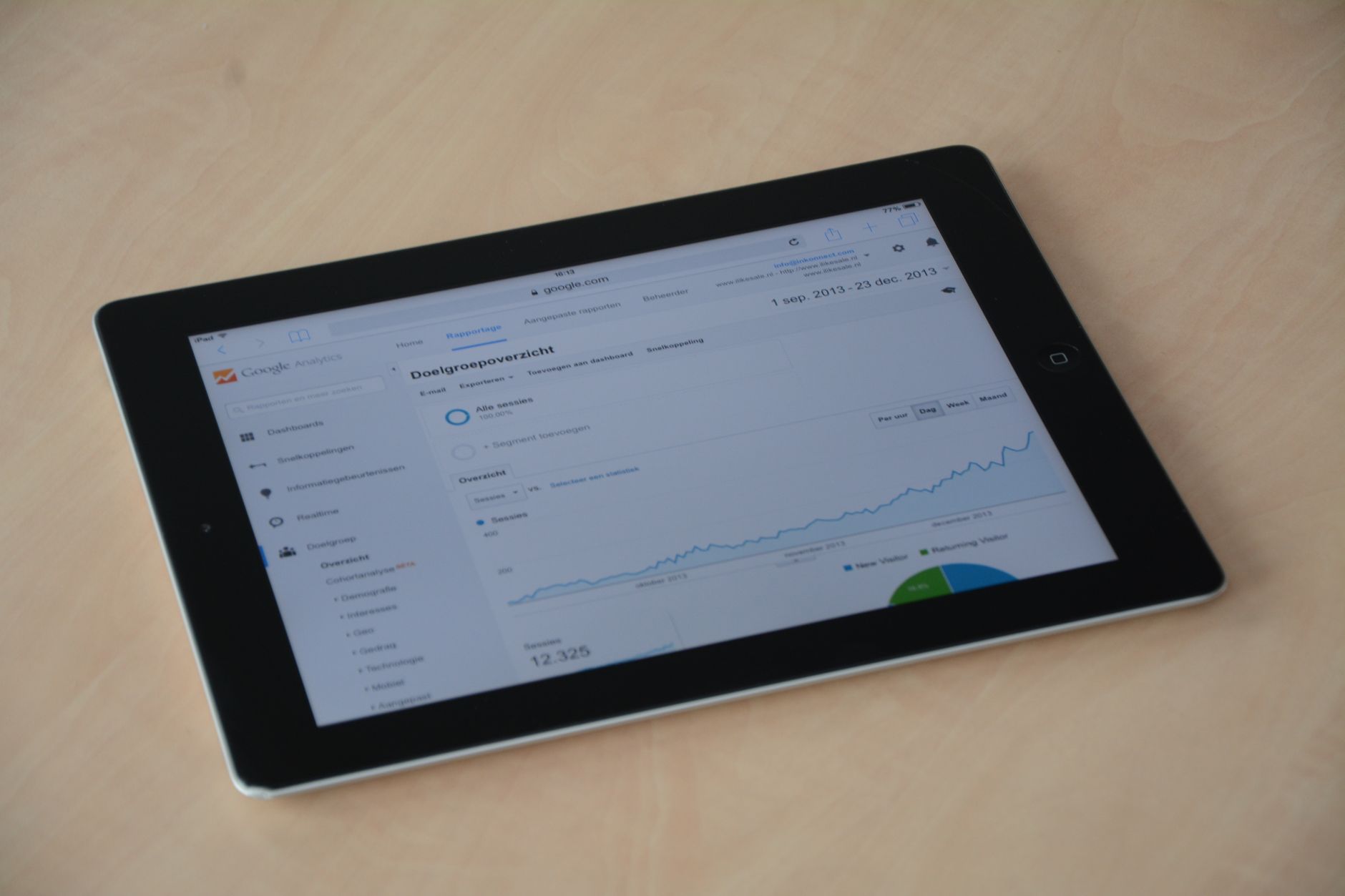
Instagram and TikTok's algorithm shifts in 2024–2025 have decoupled follower count from reach almost completely. A creator with 3,000 followers and a 12% reach rate outperforms one with 100,000 followers at 0.8%. This topic resonates with frustrated brand managers who are doing "everything right" and still seeing declining organic numbers. Cover the metrics that actually predict content performance: saves, shares, watch time, and send rate.
7. LinkedIn Content Strategy for B2B Brands in 2026: Beyond the Thought Leadership Post
LinkedIn's algorithm now heavily favors native documents, polls, and video — not the long-form text posts that dominated 2021–2023. The angle: most B2B brands are still posting the same way they did three years ago. Cover content formats by engagement rate, optimal posting cadence (data suggests 3–4x per week outperforms daily posting), and how to use LinkedIn's newsletter feature for list-building. This is a high-intent topic for agency clients.
8. How to Use Short-Form Video to Drive Website Traffic (Not Just Views)
Views are easy. Traffic is hard. Most short-form video guides stop at "post consistently and use trending audio." The real strategy involves pattern interrupts that embed a search query into the viewer's mind, driving them to Google your brand name. Cover link-in-bio optimization, the "comment funnel" technique, and how to use Instagram Reels and TikTok as top-of-funnel for email capture. Our social media management tools can help streamline this workflow.
9. Social Media Posting Frequency in 2026: The Data-Backed Sweet Spot by Platform
Every platform has a different algorithm, and the "post every day" advice is actively harmful on LinkedIn and Pinterest. This topic lets you present platform-specific data in a table format — which Google loves for featured snippets. Cite HubSpot's or Sprout Social's annual benchmarks for authority. The angle: consistency beats frequency, and the brands that win in 2026 are the ones that publish less but promote more.
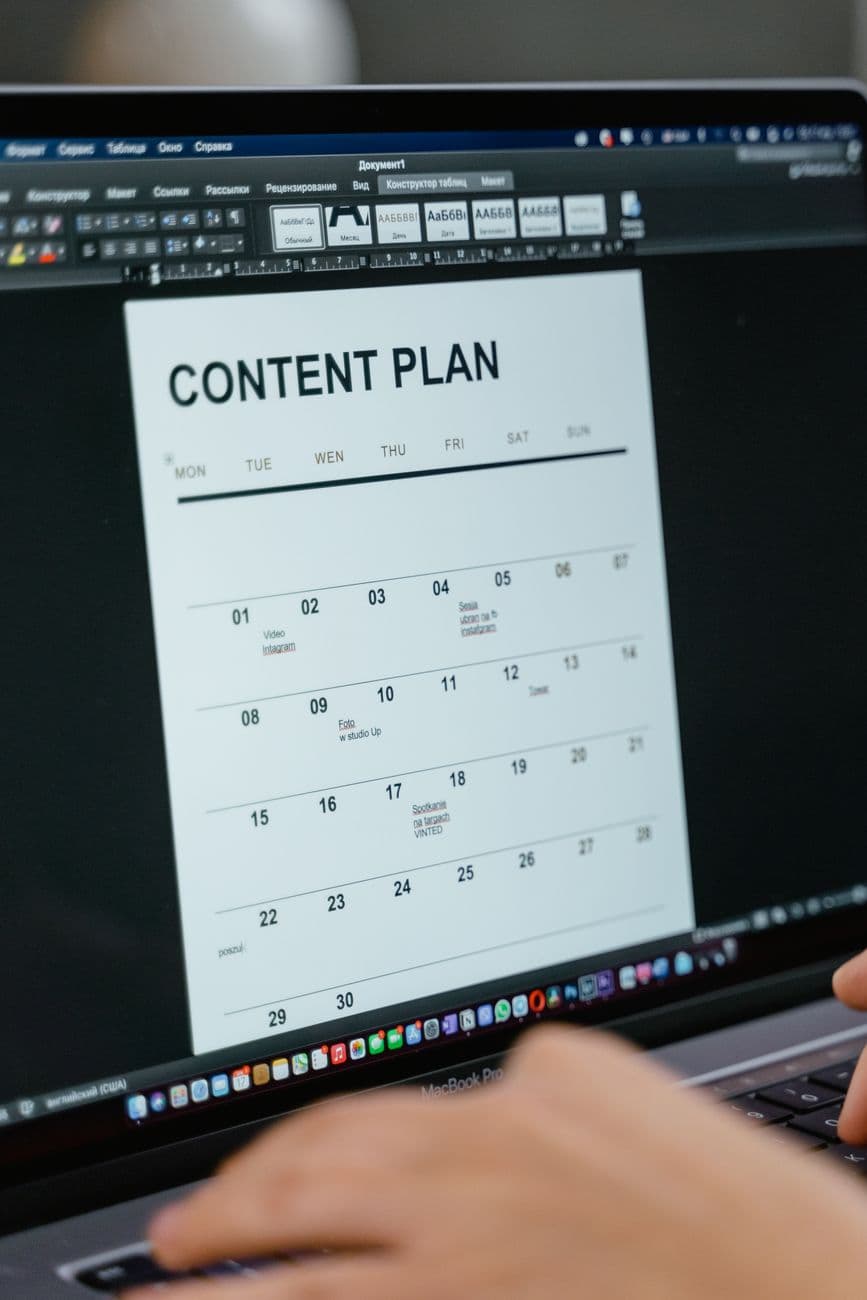
10. How to Build a Social Media Content Calendar That Doesn't Fall Apart by Week Three
This is one of the most-searched frustrations in social media management, and almost no one covers the real reason calendars fail: they're built around content types, not audience intent stages. The fix is a simple three-column framework — Awareness, Consideration, Conversion — mapped to a weekly posting rhythm. Practical, shareable, and directly relevant to small business owners managing their own channels.
Email and SMS Marketing Topics
11. SMS Marketing Compliance in 2026: What the FCC's New Rules Mean for Your List
The FCC's one-to-one consent rule changes, rolling out through 2024–2025, have quietly made a huge portion of existing SMS lists non-compliant. This is an urgent, high-intent topic with almost no competition because most email/SMS marketing blogs haven't updated their compliance guides. Cover opt-in language, TCPA exposure, and the difference between transactional and promotional SMS. This is a topic that earns backlinks from legal and compliance sites.
12. Email Deliverability in 2026: Why Your Open Rates Are Lying to You
Apple's Mail Privacy Protection has inflated open rates by 30–40% for many senders, making the metric nearly useless for list hygiene decisions. The real deliverability signals are click-to-open rate, spam complaint rate, and list decay over 90 days. This topic is gold for an audience running email campaigns — it's technical enough to feel expert, but the fixes are actionable enough to feel practical. Cover sender reputation, authentication (SPF, DKIM, DMARC), and re-engagement sequences.
13. How to Write an Email Welcome Sequence That Generates Revenue in the First 7 Days
Welcome sequences have the highest open rates of any automated email — often 50–60% — yet most brands waste them with a single "thanks for subscribing" message. A seven-day sequence with a specific content map (Day 1: value delivery, Day 3: social proof, Day 5: soft offer, Day 7: direct CTA) is a concrete, copy-and-paste framework readers will bookmark and share. Include subject line formulas and realistic conversion benchmarks.
14. Email List Segmentation Strategies That Actually Improve Revenue Per Subscriber
Segmentation is talked about constantly but practiced poorly. The angle: behavioral segmentation (based on clicks and purchases) outperforms demographic segmentation by 3–5x in most e-commerce and service contexts. Walk through five segmentation triggers — purchase history, content category engagement, inactivity threshold, geographic region, and funnel stage — with specific examples from each. This is the kind of post that earns links from email marketing tool blogs.
YouTube Growth and Video Marketing Topics
15. YouTube SEO in 2026: How to Rank Videos When AI Summaries Steal Your Views
YouTube's own AI features — including auto-generated summaries and chapter timestamps — are changing how viewers consume content. The angle: creators who optimize for watch time retention past the 50% mark are seeing disproportionate algorithm boosts because YouTube's recommendation engine now weights session continuation over raw click-through rate. Cover title optimization, thumbnail psychology, and the role of chapters in search ranking.
16. How to Use YouTube Shorts to Grow a Long-Form Channel Faster
Most YouTube Shorts advice treats them as a standalone format. The smarter play is using Shorts as a trailer system for long-form content — a 58-second clip that ends on a cliffhanger drives subscribers who then watch the full video. This cross-format strategy is underreported and highly actionable. Include data on Shorts-to-long-form conversion rates and the optimal Shorts posting cadence (daily for the first 30 days, then 3–4x per week).
17. The Minimum Viable YouTube Channel: How to Start With Zero Budget and Rank in 6 Months
Budget anxiety is the number-one reason small businesses don't start YouTube channels. This topic dismantles that excuse with specifics: a $0 setup using a modern smartphone, free editing in CapCut, and a keyword research workflow using YouTube's autocomplete and VidIQ's free tier. The six-month timeline makes it feel achievable. Strong conversion hook for YouTube growth tools like Postigniter.
Content Marketing and Strategy Topics
18. How to Build a Topical Authority Map for a New Website in 2026
Topical authority is the single biggest SEO lever for new sites, yet most "how to start a blog" guides still focus on keyword research in isolation. The angle: search engines now evaluate topic coverage depth, not just individual page optimization. A topical map — a structured hierarchy of pillar pages, cluster posts, and supporting FAQ content — can help a new site rank within 4–6 months in a niche with moderate competition. Walk through the process with a real example niche.
19. Content Repurposing in 2026: How One Blog Post Becomes 12 Pieces of Content
This is a perennial topic, but the 2026 angle is AI-assisted repurposing — using tools like Claude or ChatGPT to generate LinkedIn carousels, email newsletters, and YouTube scripts from a single long-form article in under 30 minutes. The key trade-off to cover honestly: AI repurposing is fast but produces generic output without a strong editing pass. The human layer is what makes repurposed content feel native to each platform.
20. How to Write Product Descriptions That Rank on Google AND Convert Browsers to Buyers
E-commerce SEO and conversion copywriting are usually taught in separate silos. This topic bridges them. The argument: the same specificity that satisfies Google's E-E-A-T criteria also satisfies a buyer's purchase anxiety. Cover sensory language, technical specification formatting, FAQ schema, and the "objection-first" description structure. High commercial intent, strong for small business and agency audiences alike.
Emerging and Niche Topics Worth Owning Early
21. AI-Generated Content and Google's 2026 Quality Standards: What's Actually Penalized
The panic around AI content penalties is overblown in some directions and underblown in others. Google's Helpful Content system doesn't penalize AI writing — it penalizes unhelpful writing, regardless of origin. The nuanced angle: AI content that lacks first-person experience, original data, or a defensible point of view is what gets suppressed. This topic is searched constantly and rarely answered with precision. Check our guide on future-proofing your digital marketing strategy for related context.
22. How to Use QR Codes in Your 2026 Marketing Strategy (With Trackable Campaigns)
QR code usage surged post-pandemic and has stayed elevated, but most marketing guides treat them as a print-to-digital bridge and stop there. The angle: UTM-tagged QR codes tied to a CRM create offline-to-online attribution that most small businesses are leaving completely unmeasured. Cover placement strategy, dynamic vs. static QR codes, and how to connect scan data to email or SMS capture flows.
23. Graphic Design Principles Every Digital Marketer Should Know in 2026
Non-designers running brand accounts make the same five visual mistakes repeatedly: inconsistent color palettes, font pairing errors, low-contrast text on images, over-designed thumbnails, and ignoring platform-specific safe zones. This topic is low-competition because most design blogs write for designers, not marketers. The angle is the gap. Cover the minimum viable brand system — a primary color, a secondary color, two fonts, and a consistent logo treatment — that any marketer can implement without a design degree.
24. How to Measure Digital Marketing ROI Without a $500/Month Analytics Stack
ROI measurement is the question every client asks and every agency struggles to answer simply. The angle: a four-metric dashboard — Cost Per Lead, Lead-to-Customer Rate, Customer Lifetime Value, and Channel Attribution — built entirely in Google Looker Studio (free) using GA4 and a simple spreadsheet. This demystifies analytics for small business owners and positions the author as a trusted, practical advisor rather than a tool salesperson.
25. Digital Marketing Career Paths in 2026: Which Specializations Pay the Most
Career content consistently earns high organic traffic because it targets people at a high-intent decision point. The 2026 angle: AI has compressed some generalist roles while creating demand for specialists in prompt engineering for marketing, conversion rate optimization, and marketing data analysis. Cite salary data from LinkedIn's Workforce Report or Glassdoor. This topic pairs naturally with our deep-dive on digital marketing courses vs. certificates in 2026.
How to Turn These Topics Into a Content Calendar That Actually Ranks
Having 25 topic ideas is only useful if you have a system to execute them. Here's the framework that works:
- Cluster by theme first. Group these 25 topics into four or five pillar themes (SEO, social, email, video, strategy). Publish the pillar post first, then the cluster posts — this builds topical authority faster than random publishing.
- Validate with keyword data. Before writing, confirm each topic has at least 100–500 monthly searches and a Keyword Difficulty under 30. Topics with zero search volume are thought leadership plays, not SEO plays — both are valid, but know which one you're making.
- Set a publishing cadence you can sustain. Two high-quality posts per month outperform eight thin posts every time. Google's crawl budget and quality signals both reward depth over volume.
- Promote before you publish. Share the concept on LinkedIn or in your email list before the post goes live. Early engagement signals send a positive freshness indicator to Google on day one.
- Update, don't just create. Schedule a six-month review for every post. A 2026 article updated in mid-2026 with new data can recapture a ranking that's started to slip — far cheaper than writing a new post from scratch.
For more tactical guides across every channel, browse the full Terra Market Group blog — it's organized by category so you can go deep on the channels that matter most to your business right now.
The content gap won't stay open forever. The brands that publish precise, experience-backed articles on these digital marketing blog topics for 2026 in the next 90 days will own those rankings before the competition catches up. Get started on your content calendar today — and if you need help executing the strategy, reach out to the Terra Market Group team to explore how we can build it with you.