
7 Types of Digital Marketing Explained With Real Small-Business Examples
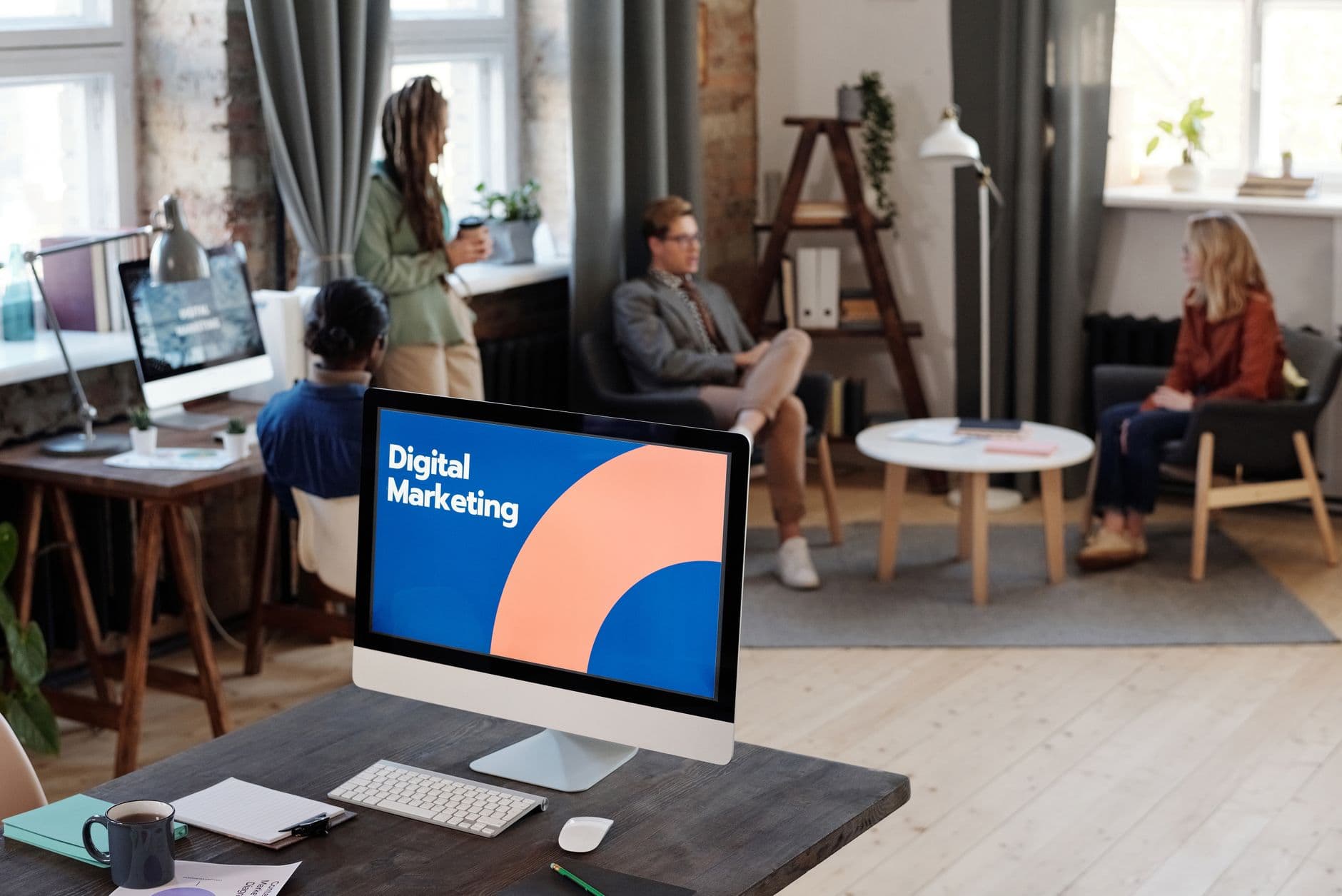
Most articles on the types of digital marketing read like a textbook glossary — a bullet list of channel names with no context for what they actually cost, who they're for, or what results to expect. This guide takes a different approach. Every channel below is illustrated with a concrete small-business scenario, a realistic outcome, and at least one common mistake to avoid. Whether you're a bakery owner in Phoenix or a SaaS startup in Austin, you'll leave with a working map of which channels deserve your budget first.

1. Search Engine Optimization (SEO)
What it is: The practice of making your website rank higher in unpaid (organic) search results on Google, Bing, and similar engines. SEO splits into three areas: on-page (content and keywords), technical (site speed, crawlability), and off-page (backlinks).
Real example: A family-owned HVAC company in Denver ran a quick SEO audit and discovered 47 broken internal links, three duplicate title tags, and a Core Web Vitals score in the red. After fixing those technical issues and publishing four location-specific service pages, organic traffic rose 68% in 90 days — without a single dollar in ad spend.
The most common mistake? Targeting keywords that are too broad. "HVAC repair" has enormous competition. "HVAC repair Denver Highlands neighborhood" does not. Specificity wins for small businesses every time.
- Best for: Businesses that want long-term, compounding traffic
- Time to results: 3–6 months minimum
- Key tools: Google Search Console, Ahrefs, SeoJama
- Watch out for: Agencies that promise page-one rankings in 30 days — that's a red flag, not a feature
According to Backlinko's CTR research, the first organic result on Google gets roughly 27.6% of all clicks. Position 10 gets under 2%. The gap between rank one and rank ten is not marginal — it's the difference between a phone that rings and one that doesn't.

2. Email and SMS Marketing
Email has a median ROI of $36 for every $1 spent, according to Litmus's annual email marketing report. SMS open rates hover around 98%, compared to email's 20–30%. Together, they form the highest-ROI direct channel in digital marketing — yet most small businesses either ignore them or use them wrong.
Real example: A boutique fitness studio in Chicago had 1,200 email subscribers but was sending a single monthly newsletter with a 14% open rate. They restructured into three sequences: a five-email welcome flow for new sign-ups, a re-engagement series for members who hadn't booked in 30 days, and a weekly SMS reminder for class availability. Within 60 days, class bookings from owned channels jumped 41%.
The mistake most businesses make is treating email as a broadcast tool rather than a segmentation tool. Sending the same message to every subscriber guarantees mediocre results. Segment by behavior — who opened, who clicked, who purchased — and your numbers will look very different.
- Best for: Retention, repeat purchases, event-driven businesses
- Average cost: $20–$300/month for platforms like Klaviyo or Mailchimp
- SMS tip: Always include an opt-out and keep messages under 160 characters
3. Social Media Management
Social media is not a megaphone — it's a conversation. Brands that treat it like a billboard (post and forget) consistently underperform brands that engage, respond, and build community. Platform choice matters enormously: a B2B accounting firm has no business pouring budget into TikTok when LinkedIn is where its clients live.
Real example: A regional coffee roaster in Portland grew its Instagram following from 800 to 11,000 in eight months — not through ads, but through a disciplined content calendar: three Reels per week showcasing the roasting process, one carousel per week on coffee origin stories, and daily Story polls that drove genuine engagement. They used a social media management tool to schedule content, track engagement rates, and identify which post formats drove the most profile visits.
The trade-off nobody mentions: organic social reach on Facebook has declined to roughly 5% of your follower count. Building a large following without a paid amplification strategy means most of your audience never sees your posts. Plan for that from day one.
- Best for: Brand awareness, community building, product discovery
- Platform guide: Instagram/TikTok for visual products; LinkedIn for B2B; Pinterest for home, fashion, food
- Key metric: Engagement rate (aim for 1–3% on Instagram; anything above 5% is exceptional)
4. Content Marketing
Content marketing is the long game that pays the longest dividends. A well-researched blog post, a detailed how-to video, or a downloadable guide can generate leads for years after publication. The key word is well-researched — thin, generic content ranks nowhere and converts nobody.
Real example: A local estate attorney in Atlanta published 12 in-depth articles answering specific questions like "Do I need a will if I have a living trust in Georgia?" Each post targeted a long-tail keyword with under 500 monthly searches but near-zero competition. Combined, those 12 posts now drive 340 organic visitors per month and account for roughly six new client inquiries per quarter — with zero ongoing spend.
Content marketing and SEO are inseparable. Content gives search engines something to index; SEO gives that content a path to visibility. Running one without the other is like buying a car without fuel. For a deeper look at building a content engine that generates clients, check out our guide on how to start a digital marketing blog and turn it into a $1,000/month client engine.
- Best for: Authority building, lead generation, SEO support
- Content types that work: How-to guides, comparison posts, case studies, FAQ pages, video tutorials
- Biggest mistake: Publishing without a distribution plan — great content needs promotion too
5. Pay-Per-Click Advertising (PPC)
PPC puts your brand at the top of search results immediately — but you pay for every click. Google Ads, Meta Ads, and LinkedIn Ads each serve different intents. Google captures demand that already exists ("emergency plumber near me"). Meta creates demand for products people didn't know they needed.
Real example: A custom furniture maker in Nashville ran Google Ads targeting "custom dining table Nashville" with a $900/month budget. Average cost-per-click was $4.20. They generated 214 clicks per month, converting at 3.7% — roughly eight leads per month at a cost-per-lead of $112. Their average order value was $2,800. The math worked clearly.
Where businesses bleed money: sending paid traffic to a generic homepage instead of a dedicated landing page. Every ad campaign needs a matching landing page with one clear call to action. A mismatch between ad copy and landing page content is the single biggest cause of wasted PPC spend.
- Best for: Fast results, product launches, high-intent search traffic
- Minimum viable budget: $500–$1,000/month to gather meaningful data
- Watch out for: Broad match keywords — they'll drain your budget on irrelevant searches fast
6. Video Marketing
Video is no longer optional. Wyzowl's State of Video Marketing report found that 91% of businesses used video as a marketing tool in 2024, and 88% of video marketers reported a positive ROI. YouTube, in particular, functions as both a social platform and a search engine — the second-largest search engine in the world, in fact.
Real example: A home inspection company in Dallas started posting 90-second "what to look for" walkthrough videos on YouTube. Within six months, three videos ranked on page one of Google for queries like "what does a home inspector check in the attic." Those videos now generate an average of 12 inbound calls per month from homebuyers who found them through search.
Short-form video (Reels, TikTok, YouTube Shorts) drives discovery. Long-form video (YouTube tutorials, webinars) drives trust and conversion. A smart video strategy uses both, with short clips repurposed from longer content to maximize production value.
- Best for: Demonstrating products/services, building trust, YouTube SEO
- Production tip: A $200 ring light and a smartphone outperform a $5,000 camera with bad lighting — start simple
- Key metric: Watch time and click-through rate on YouTube; shares and saves on Instagram Reels
7. Website Optimization and Conversion Rate Optimization (CRO)
Every other type of digital marketing eventually sends traffic to your website. If that website is slow, confusing, or unpersuasive, every dollar you spend on SEO, ads, email, and social is partially wasted. Website optimization is the multiplier that makes all other channels more effective.
Real example: A med-spa in Houston was getting 1,800 monthly visitors but only 12 appointment bookings — a 0.67% conversion rate. After restructuring their service pages (clearer headlines, before/after photos above the fold, a sticky "Book Now" button), adding trust signals (Google review count, practitioner credentials), and cutting page load time from 6.2 seconds to 1.9 seconds, bookings climbed to 38 per month. Same traffic, 3x the revenue.
CRO is not guesswork. Use heatmaps (Hotjar, Microsoft Clarity) to see where users click and where they drop off. Run A/B tests on headlines and CTAs. Even a 1% improvement in conversion rate compounds dramatically over thousands of monthly visitors. Explore the free tools available at Terra Market Group — including image resizers, color palette generators, and favicon tools — to tighten up your visual brand without a design budget.
- Best for: Maximizing ROI from existing traffic
- Quick wins: Faster load speed, mobile-friendly layout, clear CTA above the fold
- Biggest mistake: Redesigning the entire site when small targeted changes would solve the problem faster
Which Types of Digital Marketing Should You Start With?
There's no universal answer, but there is a useful framework. Start with the channels that capture existing demand before you invest in channels that create new demand. That means SEO and Google Ads before TikTok; email list building before influencer campaigns.
For most local and small businesses, the highest-leverage sequence looks like this:
- Fix your website first — speed, mobile UX, clear CTAs
- Run an SEO audit — find and fix technical issues before publishing new content
- Build your email and SMS list — own your audience, don't rent it from a platform
- Add content marketing — answer the questions your customers are already searching
- Layer in paid ads — once you know what converts, amplify it with budget
- Scale social and video — these reward consistency and compound over time
Every business is different. A restaurant needs Instagram and Google Maps optimization far more urgently than a PPC campaign. A B2B software company needs LinkedIn content and case studies before it needs TikTok. Match channel to customer behavior — not to what's trending.
Ready to build a strategy that actually fits your business? Get in touch with the Terra Market Group team for a free consultation, or browse our beginner guides to go deeper on any channel covered here.