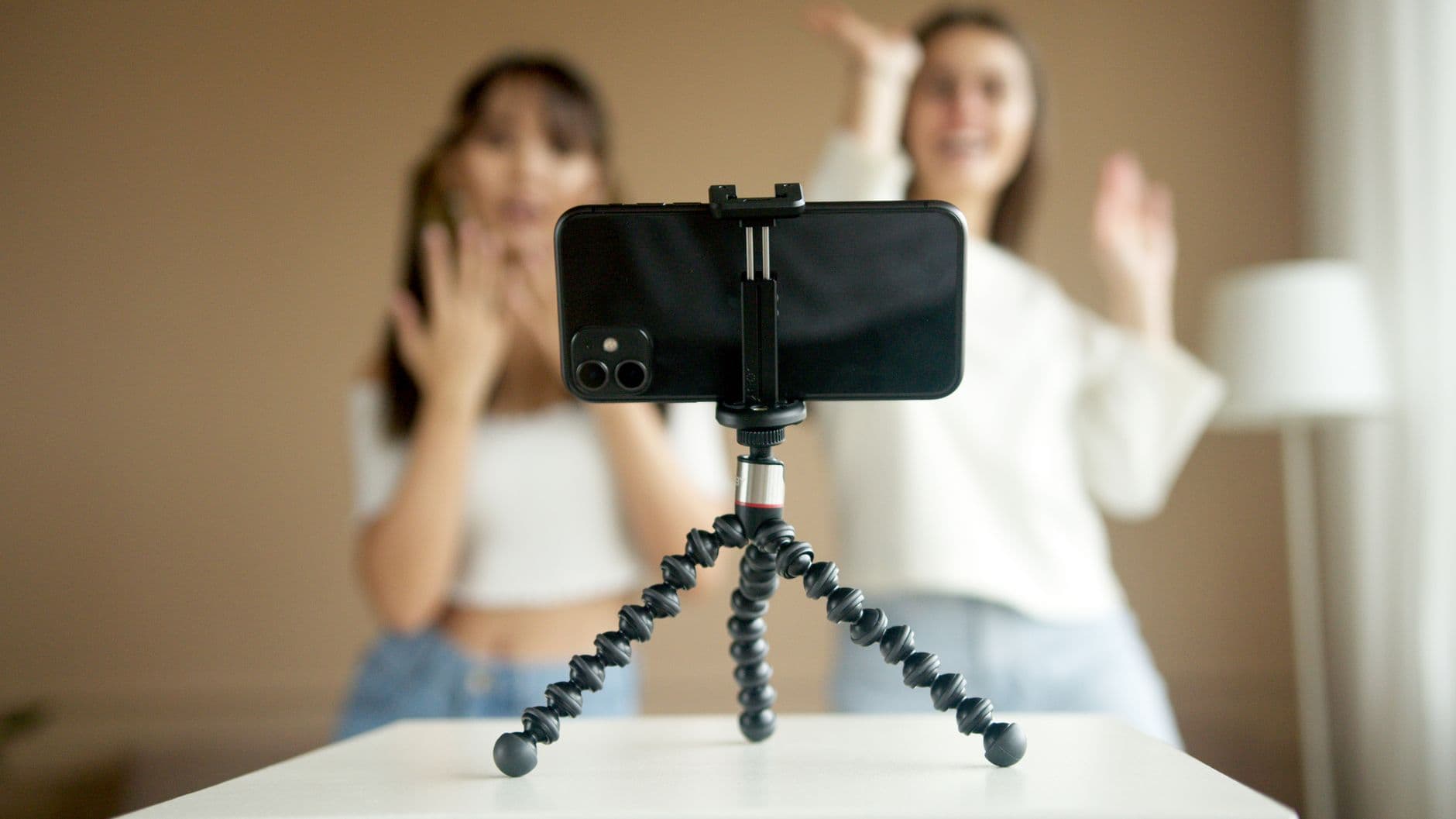
Short Form Video Hook Retention Best Practices: A Data-Driven Testing Guide for Reels, Shorts & TikTok

Why Hook Testing Is the Highest-Leverage Work in Short Form Video
Most marketers obsess over production quality, trending audio, and posting schedules — and ignore the one variable that determines whether any of that effort pays off: the hook. Short form video hook retention best practices are not a set of creative opinions; they are a measurable, testable system. Get the first three seconds wrong, and every dollar you spent on filming, editing, and distribution is wasted. Get them right, and a modest budget can outperform a polished campaign with ten times the spend.
This guide goes beyond the usual "start with a question" advice. It walks through a structured A/B testing framework — covering opening frames, spoken hooks, on-screen text, subtitles, and pacing — and maps each variable to the three metrics that actually matter: three-second retention rate, completion rate, and conversion rate. Whether you publish on Instagram Reels, YouTube Shorts, or TikTok, the methodology is the same. The numbers just live in different dashboards.

The Three Metrics That Actually Tell You If Your Hook Worked
Before you test anything, you need to agree on what "working" means. Three metrics do the heavy lifting here, and conflating them leads to bad decisions.
Three-second retention rate measures the percentage of viewers who watch past the three-second mark. On TikTok, this is surfaced directly in TikTok Analytics under "Video Views by Section." On Instagram, you approximate it using the "Reach" versus early drop-off data in Insights. YouTube Shorts shows it in the "Audience Retention" graph inside YouTube Studio. A strong three-second rate sits above 70% for a warm audience; cold traffic benchmarks are closer to 50-60%.
Completion rate — the share of viewers who watch the full video — tells you whether the hook made a promise the rest of the video kept. A video with a 75% three-second rate but a 15% completion rate has a hook problem disguised as a content problem. The hook grabbed attention, then the body failed to deliver. Conversely, a 40% three-second rate with a 60% completion rate suggests the hook is filtering correctly for a highly engaged niche audience.
Conversion rate is where most testing frameworks stop short. Link clicks, profile visits, DM initiations, or product page visits within 24 hours of viewing are all valid conversion signals depending on your funnel. Always define your conversion event before you film, not after you see the results. Post-hoc rationalization is the enemy of valid testing.
The Five Hook Variables Worth Testing (and How to Isolate Each One)
The cardinal rule of A/B testing is: change one variable at a time. In short form video, that discipline is harder to maintain because every element influences every other. Here is how to isolate each variable without rebuilding the entire video.
1. The Opening Frame
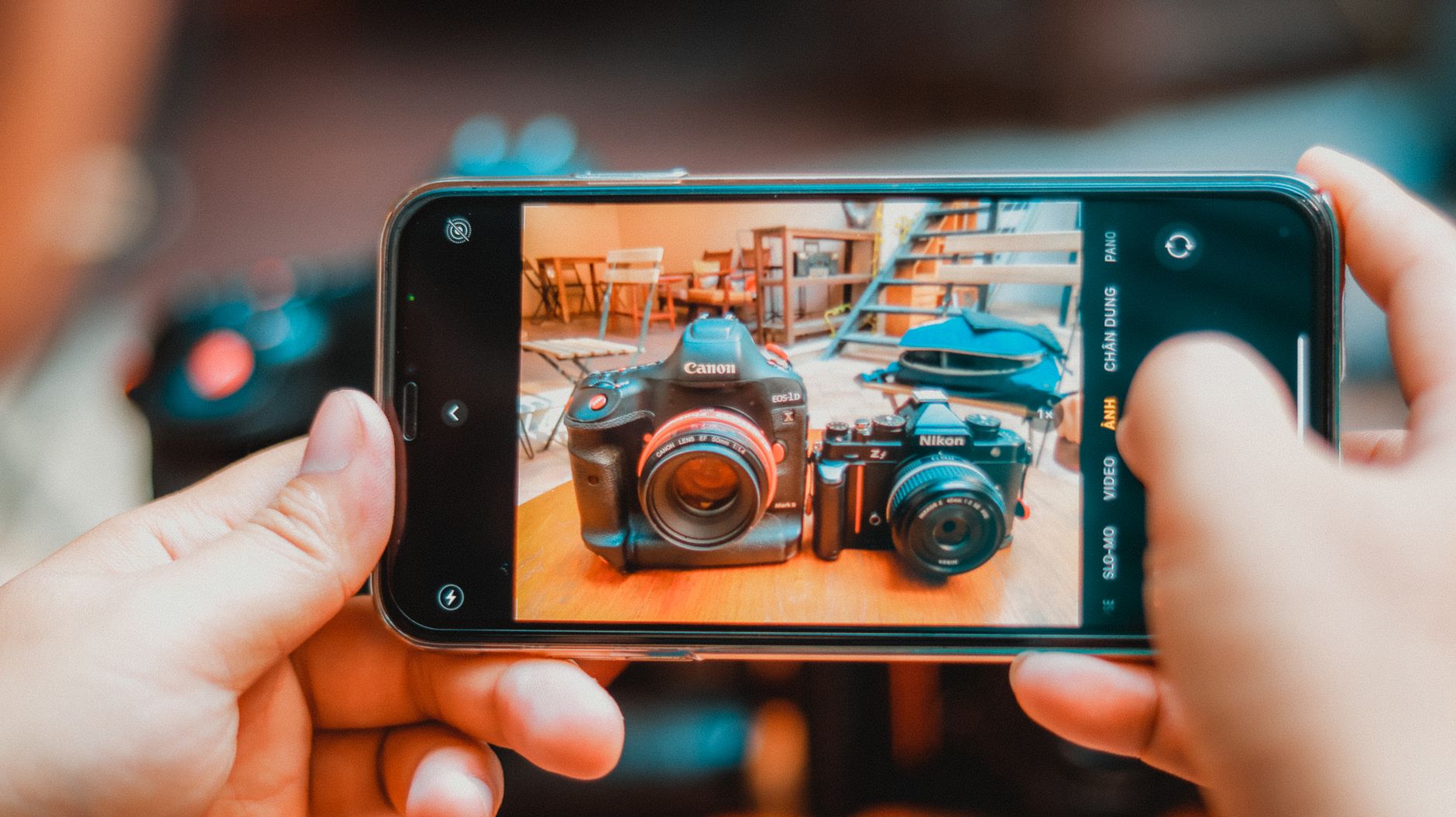
The opening frame is the thumbnail for autoplay. On TikTok and Reels, the video starts playing immediately in the feed — so frame one is a visual hook before a single word is spoken. Test a text-forward frame (bold on-screen copy fills 60%+ of the screen) against a face-forward frame (close-up of a person mid-expression) against an action frame (something is already happening — a product being used, a before/after split, a dramatic visual).
To isolate this variable, film the same spoken script twice: once starting with a text card, once starting mid-action. Keep the audio identical from the three-second mark onward. Publish both versions within 24 hours of each other to control for algorithm timing. Compare three-second retention rates after 500 impressions minimum — anything below that sample size is noise, not signal.
A common mistake is testing opening frames on different days. Weekend versus weekday audiences behave differently. If you post Version A on Tuesday and Version B on Saturday, you are testing audience behavior, not hook performance.
2. Spoken Hooks: The First Sentence Out of Your Mouth
Spoken hooks fall into four structural categories, each with different psychological mechanics:
- The Curiosity Gap: "Most brands waste 80% of their video budget on the wrong three seconds." Withholds the resolution to force continued watching.
- The Counterintuitive Statement: "Longer captions actually hurt reach on Reels — here's the data." Challenges a held belief, triggering cognitive dissonance.
- The Direct Promise: "In 60 seconds, you'll know exactly which hook format doubles your completion rate." Transactional and time-bounded.
- The Audience-Qualifier: "If you run paid ads on short form video, stop what you're doing." Filters for relevance immediately.
Test one category against another, not variations within the same category. Swapping "most brands waste 80%" for "most brands waste 70%" is not a meaningful test. Swapping a curiosity gap for a direct promise is.
Record two audio tracks with identical visuals. Use a tool like CapCut or Adobe Premiere to swap only the first five seconds of audio. This keeps production cost near zero while generating genuinely independent test variants.
3. On-Screen Text: Placement, Size, and Timing
On-screen text is not a caption — it is a second spoken track for viewers watching on mute. Roughly 85% of social video is watched without sound, according to data from Meta's video best practices research. That number alone should change how you think about text.
Test three dimensions independently:
- Placement: Center-screen text versus bottom-third text. Center text competes with the face; bottom-third text complements it. For talking-head videos, bottom-third typically wins. For action or product videos, center-screen can outperform.
- Size: Large, single-word reveals versus full-sentence text. Single-word reveals create a staccato rhythm that matches fast-cut editing. Full sentences work better for educational content where the viewer needs context.
- Timing: Text that appears at frame one versus text that appears at second two. Delayed text creates a micro-moment of visual intrigue before the payoff. Test this by exporting two versions of the same video with different text-in points.
4. Subtitles: Auto-Generated vs. Custom-Styled
Auto-generated subtitles on TikTok and YouTube Shorts are convenient, but they are not the same as a strategic subtitle design. Custom subtitles — where key words are enlarged, colored, or bolded mid-sentence — function as emphasis markers that guide the viewer's eye and reinforce the spoken hook.
The test here is straightforward: publish the same video with auto-captions versus a version with custom-styled captions built in CapCut, Submagic, or a similar tool. Measure completion rate, not three-second retention, because subtitle impact compounds over time rather than front-loading at the open.
One trade-off worth knowing: custom-styled subtitles baked into the video cannot be turned off by the viewer. Some audiences find this intrusive, particularly on YouTube Shorts where the native subtitle toggle is expected. Test both formats and segment results by platform — what wins on TikTok may not win on Shorts.
5. Pacing: Cuts, Pauses, and the First Edit Point
Pacing is the most underrated hook variable and the hardest to test cleanly. The first edit point — the moment of the first cut or transition — is a retention lever. Cut too early (before one second) and the viewer has no visual anchor. Cut too late (after four seconds) and the algorithm has already lost them.
Test a fast-cut version (first cut at 0.8-1.2 seconds, B-roll or text card) against a slow-burn version (no cut until after the spoken hook lands, typically 3-5 seconds). Fast cuts signal high energy and work well for lifestyle, fashion, and entertainment content. Slow-burn openings build authority and work better for educational or B2B content where credibility matters more than energy.
Use YouTube Studio's audience retention graph to pinpoint exactly where viewers drop. A sharp cliff at the 1.5-second mark on the slow-burn version is diagnostic data — it tells you the audience expected a faster tempo. That is not a creative opinion; it is a number.
Building a Repeatable Testing Cadence
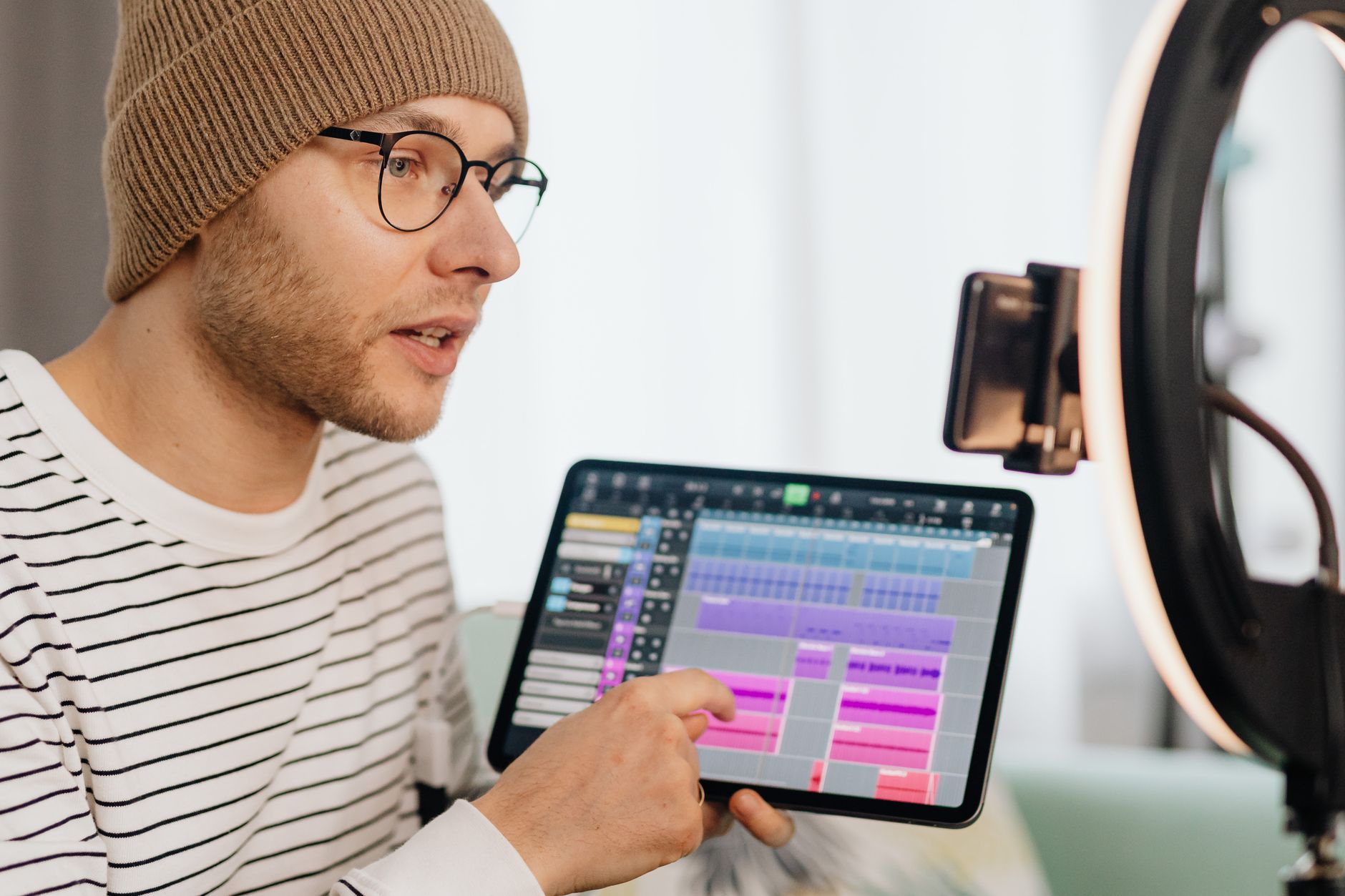
Ad hoc testing produces ad hoc results. A structured cadence — even a simple one — is what separates brands that compound learning over time from those that restart from zero every quarter.
A practical minimum viable cadence looks like this:
- Post two variants per week, each testing one isolated variable.
- Let each video accumulate at least 500 impressions before drawing conclusions. On TikTok, this usually takes 24-48 hours. On Shorts, it can take 3-5 days for non-subscriber traffic to kick in.
- Log results in a shared spreadsheet: video ID, variable tested, three-second rate, completion rate, conversion event, and a one-line hypothesis for the next test.
- Run a monthly review to identify patterns across variables. The goal is not to find one winning hook — it is to build a model of what your specific audience responds to.
Most teams fail at the logging step. They run tests, see results, and move on without documenting the learning. Six months later, they retest the same hypothesis because no one remembers what they found. A simple Google Sheet with eight columns prevents this entirely.
For teams managing multiple clients or content pillars, the free marketing tools at Terra Market Group can support the workflow side of content production — from resizing assets for each platform to generating consistent visual branding. Pair those with your analytics data and you have a lean but functional testing operation.
Common Mistakes That Invalidate Hook Tests
Even well-intentioned testing frameworks break down in predictable ways. Here are the four most common errors and how to avoid them.
Testing during algorithm resets. When you switch to a new content category, post after a long hiatus, or get a sudden viral spike, the algorithm redistributes your content to a different audience segment. Any test run during this window is measuring audience composition, not hook performance. Wait until your account returns to a stable weekly reach baseline before drawing conclusions.
Using engagement rate as a proxy for hook performance. Likes and comments are downstream of watch time. A video can have a high like rate and a terrible completion rate — this happens when a hook is so bold or controversial that it triggers a reaction without requiring the viewer to watch. Always anchor your analysis to watch-time metrics first.
Testing too many variables at once. Changing the opening frame, the spoken hook, and the subtitle style in the same variant is not a test — it is a new video. You will know which version "won," but you will not know why, which means you cannot replicate it.
Ignoring platform-specific behavior. TikTok's For You Page distributes content to cold audiences by default. Instagram Reels skews toward warm followers first, then expands. YouTube Shorts rewards watch time differently than the main feed algorithm. A hook that wins on TikTok at a 65% three-second rate may only achieve 45% on Shorts because the audience intent is different. Segment your data by platform before declaring a winner. YouTube's Creator Academy on Shorts and TikTok's recommendation system documentation both explain platform-specific distribution logic worth understanding before you interpret retention data.
From Hook Testing to Conversion: Closing the Loop
Three-second retention and completion rate are intermediate metrics. The end goal is a business outcome — a lead, a sale, a subscription, a DM conversation. Connecting hook performance to conversion requires one extra layer of tracking that most teams skip.
Use UTM parameters on any link in your bio or link sticker. Tag each test variant with a unique UTM campaign value (e.g., utm_campaign=hook-test-curiosity-gap-wk22). This lets you trace which hook variant drove traffic that actually converted, not just watched. Without this, you risk optimizing for the hook that gets the most views while the hook that actually drives revenue goes unnoticed.
For brands running paid amplification on top of organic tests, note that boosted posts on Reels and TikTok Spark Ads use the same organic video — so your hook test data carries over directly into paid performance. A hook with a 72% three-second rate organically will typically outperform a 55% hook in paid distribution as well, because the algorithm rewards early retention signals when deciding how broadly to serve the ad.
If you want to go deeper on the broader A/B testing framework for short form content, the full A/B testing framework for Reels, Shorts, and TikTok on the Terra Market Group blog covers the end-to-end system in detail. And for small businesses building this capability from scratch, the digital marketing tips for small business in 2026 post offers a grounded starting point for prioritizing where video fits in a lean strategy.
A Practical Hook Testing Scorecard
Pull this scorecard out before you publish any short form video. Score each element 1-3. A total score below 10 means the video needs revision before it goes live.
- Opening Frame (1-3): Does frame one create visual intrigue without requiring audio? Is it distinct from the previous video in your feed?
- Spoken Hook (1-3): Does the first sentence create a curiosity gap, challenge a belief, make a direct promise, or qualify the audience? Does it do exactly one of these things?
- On-Screen Text (1-3): Is the key message legible on mute within two seconds? Is the text placement intentional, not default?
- Pacing (1-3): Does the first edit point match the content's energy level? Is the tempo consistent with the platform's native content style?
- Conversion Path (1-3): Is there a clear next step embedded in the video or caption? Is it tracked with a UTM or a platform-native conversion event?
This scorecard is not a creative checklist — it is a pre-flight instrument. Use it to reduce the variance in your tests before you publish, so the variable you are testing is the one you chose, not an accidental production flaw.
Ready to build a content system that compounds? Get in touch with the Terra Market Group team to explore how a structured short form video strategy fits into your broader digital marketing mix. Or browse the full content strategy blog category for more frameworks built for practitioners, not theorists.