
Digital Marketing Tips for Social Media in 2026: A Platform-Native Playbook (9 Tactics That Actually Work)

Every brand wants more reach, more engagement, and more conversions from social media — yet most are still posting like it's 2021. The digital marketing tips for social media that move the needle in 2026 look nothing like a generic content calendar checklist. Platforms have evolved into search engines, short-form video is now the primary discovery layer, and AI-generated content is flooding every feed. The brands winning right now are the ones treating each platform as its own ecosystem — not just a place to cross-post the same caption and image. This playbook breaks down nine concrete, tactical moves you can apply immediately.

1. Write Captions Like Search Queries, Not Status Updates
TikTok confirmed in 2024 that its search index processes caption text as a primary ranking signal. Instagram followed with keyword-based Explore recommendations. This means your caption is now metadata, not just copy. Stop opening with "We're so excited to share…" and start with the exact phrase your audience types into the search bar.
For example, a fitness brand targeting beginners should open a caption with "Home workout for beginners — no equipment needed" rather than "Monday motivation 💪." The former matches search intent. The latter matches nothing. Run your caption draft through a tool like SEMrush's social SEO guide to pressure-test whether your phrasing aligns with real search volume.
One practical rule: put your primary keyword in the first 125 characters of every caption. That's the visible preview before "more" truncates it. Front-load the signal.

2. Engineer Your First Frame for a Three-Second Stop
Watch-time data from Meta's internal benchmarks consistently shows that videos losing viewers in the first three seconds perform poorly in distribution — regardless of how strong the middle and end are. The algorithm never gets to judge your content if the first frame doesn't earn the pause.
A first frame that works does one of three things: shows a surprising visual, poses a direct question, or displays a bold text overlay that names a specific pain point. "Why your Instagram reach dropped 40% last month" is a first frame. "New video! 🎉" is not. For a deep dive into hook testing frameworks, see our guide on short-form video hook and retention best practices.
Test two or three first-frame variants per video. Run each for 48 hours and compare average watch percentage. The winner becomes your template for the next batch.
3. Use Platform-Native Features Before Third-Party Schedulers
Every major platform — Instagram, TikTok, LinkedIn, YouTube — rewards content published through its native tools. This isn't speculation; it's a pattern confirmed by organic reach studies from Social Media Examiner. Native features like Instagram Collab posts, TikTok Stitch, LinkedIn Articles, and YouTube Chapters send behavioral signals that third-party schedulers simply can't replicate.
This doesn't mean abandoning scheduling tools entirely. It means publishing natively and using scheduling tools for drafting, approval workflows, and analytics — not for the actual post button. If you're managing multiple clients, build a workflow where the final publish step always happens inside the platform itself.
One underused native feature: LinkedIn's "Notify employees" button on company posts. It costs nothing and can 3-5x your early engagement window, which directly feeds LinkedIn's distribution algorithm.
4. Build a Keyword Context Layer Into Every Post
Search-driven discovery on social platforms doesn't stop at captions. Hashtags, alt text, video transcripts, and even comment replies all feed into platform indexing. Think of this as a keyword context layer — multiple touchpoints that reinforce the same topical signal.
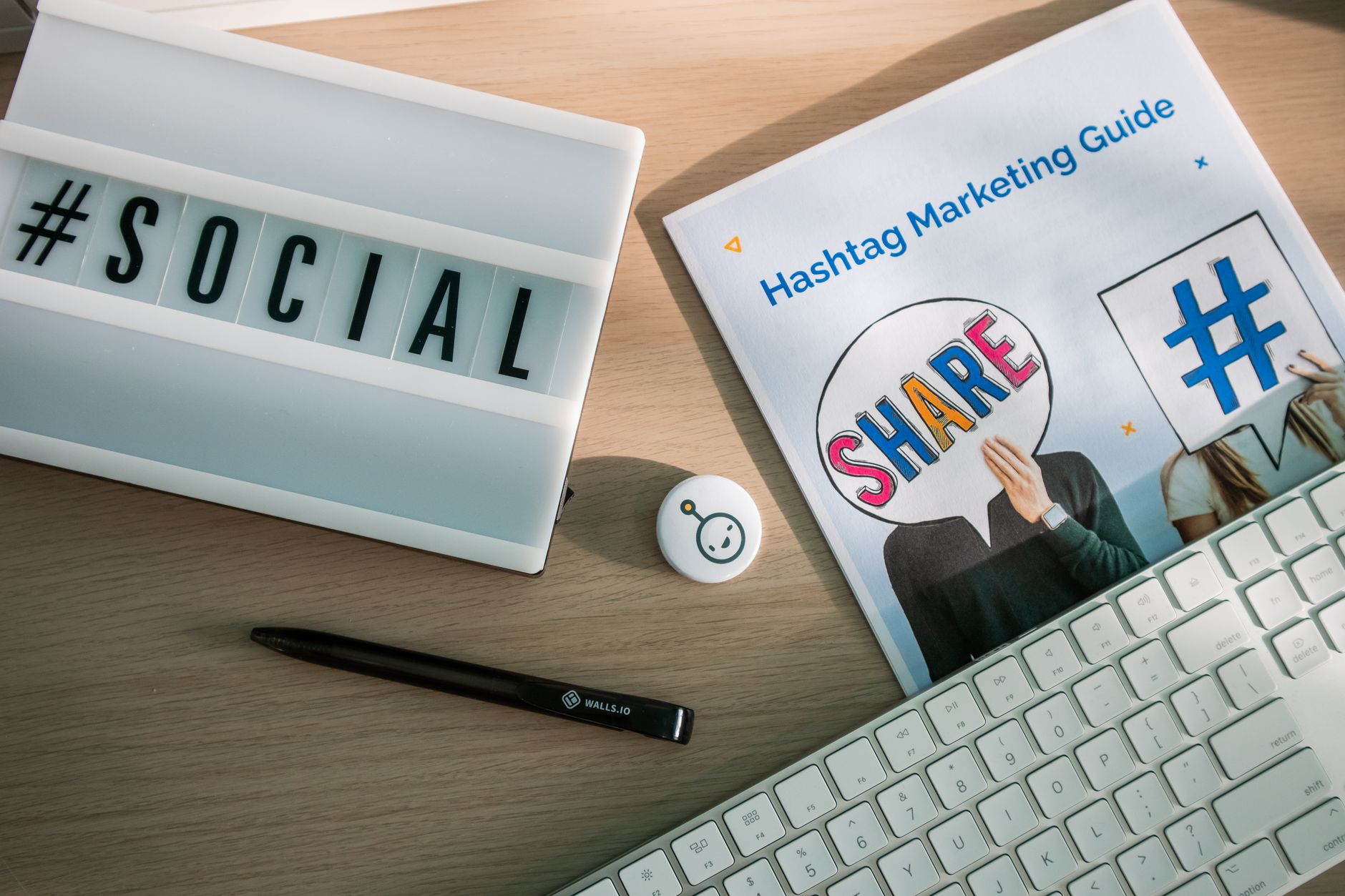
Here's a practical stack for a single Instagram Reel:
- Caption: Primary keyword in the first line, secondary keyword in the body.
- Alt text: Enable advanced settings and write a descriptive sentence — not keyword stuffing, but a genuine description that includes your topic.
- Hashtags: Three to five mid-volume tags (100K–2M posts) that match the content's niche, not just its format.
- First comment: A follow-up question or resource that naturally repeats the topic keyword.
- Transcript/Subtitles: Upload an SRT file or use auto-captions — both are indexed by the platform's search layer.
This five-point stack takes about eight extra minutes per post. The compounding effect on discoverability over 90 days is significant — especially for accounts under 10,000 followers where hashtag and search traffic matters more than algorithmic push.
5. Optimize Watch-Time Signals, Not Just Views
Views are a vanity metric. Average watch percentage and replays are the signals that actually tell the algorithm your content is worth distributing. A video with 500 views and 85% average watch time will outperform a video with 5,000 views and 12% watch time — every time.
To improve watch-time signals, structure your videos with a clear retention arc: hook (0–3s), context (3–10s), value delivery (10s–end), and a loop trigger or CTA at the very end. The loop trigger is especially powerful on TikTok and Reels — a visual or audio cue that makes viewers restart the video. A seamlessly looping video can generate 150–300% of its actual view count in "replay" watch time.
Drop a chapter marker or text overlay every 8–12 seconds in longer videos. This gives viewers a reason to keep watching rather than scroll. Think of each chapter marker as a micro-hook.
6. Repurpose Vertically, Not Horizontally
Most brands repurpose content by taking one piece and posting it everywhere — same video, same caption, every platform. That's horizontal repurposing, and it's largely dead. Platforms now detect cross-posted content (especially TikTok watermarks) and suppress it. More importantly, what works on LinkedIn is structurally different from what works on TikTok.
Vertical repurposing means taking one core idea and rebuilding it natively for each platform's format and audience expectation. A 60-second TikTok becomes a LinkedIn carousel (same data, different format), a Twitter/X thread (same argument, text-only), and a blog post intro (same hook, expanded). Each version is platform-native. None is a copy-paste.
The efficiency gain is real: one research session, four content pieces, four distinct distribution channels. For small teams managing multiple brands, this approach is the only sustainable path. Explore more on this in our content strategy resources.
7. Run a Human-Reviewed AI Workflow — Not a Fully Automated One
AI content tools are genuinely useful for drafting captions, generating video scripts, and brainstorming post angles. The mistake is treating AI output as publish-ready. Platforms are actively downranking content that reads as machine-generated, and audiences are faster than ever at detecting it.
The workflow that works: use AI to generate three to five rough caption drafts, then have a human editor select and rewrite the best one. The human's job is to add a specific example, a brand-voice detail, or a cultural reference that the AI missed. This takes five minutes and produces content that's both efficient and authentic.
Apply the same logic to video scripts. AI drafts the structure; a human records it in their own words without reading verbatim. The result sounds natural because it is. For agencies managing 10+ clients, this human-review layer is the single biggest differentiator between content that converts and content that gets ignored.
8. Use Free Tools to Audit and Accelerate Your Output
You don't need a $500/month tech stack to execute a professional social media strategy. Several free tools close the gap between small teams and large agencies. The key is knowing which tools solve real bottlenecks — not just adding software for its own sake.
For social media specifically, resizing assets for each platform's spec is one of the most time-consuming manual tasks. A tool like the Social Image Resizer from Terra Market Group eliminates that friction entirely. Similarly, maintaining a consistent visual identity across posts is easier when you lock in a brand color palette upfront — the Color Palette Generator is a practical starting point.
Beyond asset tools, run a monthly SEO audit on your brand's social profiles. Profile descriptions, bio links, and pinned posts are all indexable. Treating them like landing page copy — with clear keywords and a single CTA — consistently improves profile discovery for branded and non-branded searches alike.
9. Measure Platform-Specific KPIs, Not Aggregate Vanity Metrics
Aggregate dashboards that combine follower counts and impressions across all platforms into a single number are nearly useless for decision-making. Each platform has its own success signals, and conflating them hides what's actually working.
Here's a platform-specific KPI framework worth adopting:
- TikTok / Reels: Average watch percentage, shares-to-views ratio, profile visits per video.
- LinkedIn: Dwell time (time spent on post), comment quality (are they substantive or just emoji?), click-through rate on link posts.
- Instagram Feed: Saves per reach (a save signals high-value content), profile visits, story replies.
- YouTube Shorts: Subscriber conversion rate per video, average view duration, click-through rate on the thumbnail.
- Twitter/X: Bookmarks, link clicks, and reply-to-retweet ratio (high replies relative to retweets = conversation-driving content).
Review these KPIs weekly per platform, not monthly in aggregate. Patterns emerge faster, and you can kill underperforming content series before they waste three months of effort. According to Sprout Social's metrics research, brands that track platform-native KPIs report 2.3x higher ROI from social than those relying on aggregate dashboards.
Putting the Playbook Together
None of these nine tactics requires a massive budget or a large team. What they require is intentionality — treating each platform as a distinct publishing environment with its own rules, signals, and audience expectations. The brands that will dominate social media in 2026 are the ones building platform-native habits now, before those habits become table stakes.
Start with two or three tactics from this list. Apply them consistently for 30 days, measure the platform-specific KPIs that matter, and iterate. That's how compounding growth actually works in social media — not through viral luck, but through systematic, data-informed execution.
Ready to build a smarter social media strategy? Explore our free marketing tools at Terra Market Group Tools and get in touch with our team to learn how we help brands grow across every platform.